Tar & Chip Driveways in Ocala, FL
Tar-and-chip — also called chip seal — is a durable, textured, lower-cost driveway finish that suits Ocala's rural and ranch properties, giving you a natural stone look with excellent traction.
Call (352) 820-6123 for a Free Estimate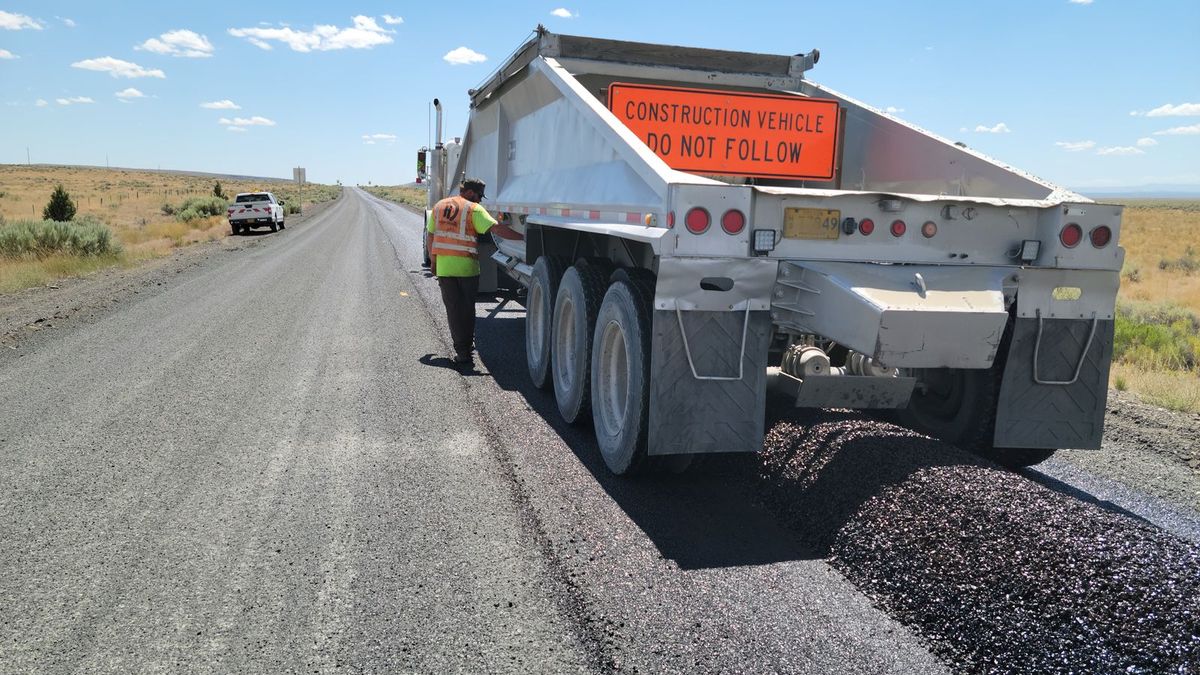
Tar-and-chip is built by applying hot liquid asphalt and then embedding a layer of stone into it. The result is a rugged, grippy surface with a rustic, natural appearance that many acreage and country-property owners prefer over smooth black asphalt.
It tends to cost less than a full asphalt install, needs little maintenance, and holds up well on longer drives. It is a great fit when you want durability and a country aesthetic without the price of paving every foot in hot-mix asphalt.
How Tar-and-Chip Is Built
The process is straightforward but the prep still decides the result. It starts the same way any good surface does: a graded, compacted base, because chip seal is a surface treatment and it is only as stable as what is under it. Then hot liquid asphalt binder is sprayed over the base, a layer of crushed stone is spread evenly into it while it is still hot, and the stone is rolled to embed it firmly. The excess is swept off, leaving a textured surface of stone locked into asphalt.
Because the stone is the wearing surface, the look depends on the stone you choose — different colors and sizes give different finishes, from a light natural gravel look to a darker, richer tone. It is a genuinely different surface from smooth hot-mix, and on the right property it is the one people actually want.
Why It Fits Ocala Acreage
Marion County is horse country, full of long approaches, ranch entrances, and country properties where a glossy black driveway would look out of place. Tar-and-chip suits that landscape — the natural stone finish reads rural, not suburban — and it grips well, which matters on a long drive where a smooth surface can get slick in a hard rain.
The economics fit too. On a long run, paving every foot in hot-mix asphalt adds up fast, and chip seal covers that distance for less while still giving you a durable, all-weather surface. For an owner with a quarter-mile drive who wants something better than gravel but does not need a parking-lot finish, it is often the sweet spot.
Tar-and-Chip vs. Asphalt vs. Gravel
Gravel is the cheapest option and the highest-maintenance — it scatters, ruts, washes in our summer storms, and needs regrading. Smooth hot-mix asphalt is the most finished and the most expensive, and it is the right call for shorter drives and anywhere you want that clean, uniform look. Tar-and-chip sits in between: more durable and lower-maintenance than gravel, more affordable than full asphalt over distance, with a look of its own.
None of the three is automatically right — it depends on the property, the length, and what you want it to look like. We are happy to walk your site and tell you honestly which one makes sense, including when a shorter drive is better served by full asphalt.
Upkeep and Longevity in the Florida Climate
One of the reasons owners choose tar-and-chip is how little it asks for. It does not need the sealcoating routine smooth asphalt benefits from, and the textured stone surface hides dust and minor wear that would show on a glossy black drive. On a properly built base, a chip-seal surface holds up for years in our climate with little more than the occasional attention to the edges and the entrance.
That said, the same rules that govern every surface here still apply underneath. The stone is only the wearing layer; the base and the drainage decide how long it lasts. Water that is allowed to pond or run uncontrolled down a long drive will undercut a chip-seal surface just as it would asphalt, and loose sand under a thin binder layer will let stone work loose. So we build the base and set the grade with the same care as a full asphalt job, then let the low-maintenance surface do what it does best. When a chip-seal drive does eventually wear, it can often be refreshed with a new chip layer rather than fully rebuilt — another reason it is a practical long-run surface for rural Marion County.
If you are weighing surfaces rather than contractors, see asphalt, concrete, and pavers compared on our driveways page.
What’s Included
- Chip-seal installation on prepared base
- Choice of stone for the finished look
- High-traction, rustic surface
- Ideal for long rural and ranch driveways
- Lower cost, low-maintenance alternative to hot-mix
Why It Matters in Ocala
Out in Marion County's horse country and rural acreage, tar-and-chip is a natural fit — it matches the landscape, grips well on long approaches, and stretches a driveway budget further than full asphalt on those extended runs.
Tar & Chip Driveways in Ocala — FAQ
How is tar-and-chip different from regular asphalt?
Asphalt is a smooth, uniform hot-mix surface. Tar-and-chip embeds stone into hot asphalt for a textured, natural look with high traction — often at a lower cost, especially on long drives.
Is tar-and-chip good for a long country driveway?
Yes — it is one of the most popular finishes for long rural driveways because it is durable, low-maintenance, and cost-effective over distance.
Does tar-and-chip need sealcoating?
It is lower-maintenance than smooth asphalt and generally does not need the same sealing routine. We will explain upkeep for your specific surface.
How long does a tar-and-chip driveway last?
On a properly built base, a chip-seal surface holds up well for years with little upkeep. As with any surface here, the base and drainage are what decide its life.
Can I choose the color of the stone?
Yes — the stone is the finished surface, so the color and size of the aggregate set the look. We will go over the options so the finish matches your property.
Other Services
- Asphalt Paving in Ocala
- Asphalt Driveways in Ocala
- Sealcoating in Ocala
- Asphalt Repair in Ocala
- Parking Lot Paving in Ocala
- Parking Lot Striping in Ocala
Areas We Serve
- Tar & Chip Driveways in Marion County
- Tar & Chip Driveways in Belleview
- Tar & Chip Driveways in Dunnellon
- Tar & Chip Driveways in Rainbow Springs
- Tar & Chip Driveways in Silver Springs
- Tar & Chip Driveways in Summerfield
Wondering what the job runs? See what an asphalt driveway costs in Ocala.
Free Tar & Chip Driveways Estimate in Ocala
Free, no-obligation estimates across Marion County. Tell us about your driveway or lot.
Call (352) 820-6123