Sealcoating in Ocala, FL
Sealcoating protects your asphalt investment — a fresh coat that blocks sun, water, and oxidation, restores that deep black finish, and slows the cracking that leads to expensive repairs.
Call (352) 820-6123 for a Free Estimate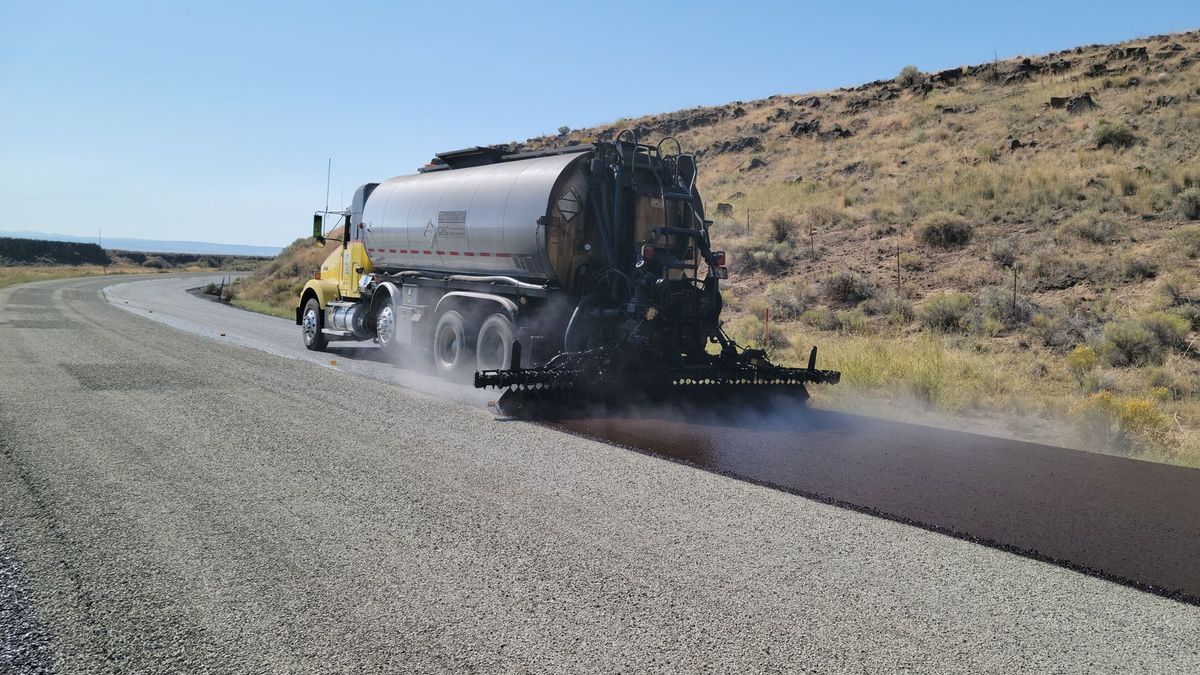
Florida is hard on asphalt. UV exposure dries out and grays the surface, and rain works into any small crack. Sealcoating lays down a protective layer that shields against both, and it is one of the least expensive things you can do to extend the life of a driveway or lot.
Beyond protection, sealcoating simply looks good — it brings back the clean, dark, uniform finish of new asphalt and sharpens the whole property. On a regular cycle, it is far cheaper than letting a surface degrade to the point of resurfacing.
In Ocala, the Sun Is the Enemy
Up north, sealcoat is mostly about surviving winter. Here it is about surviving the sun. Marion County gets intense, year-round UV, and ultraviolet light is what oxidizes asphalt — it breaks down the binder that holds the surface together, which is why an unsealed driveway here fades from black to gray and then turns rough and porous. Once the surface is porous, our heavy summer rain has an open door into the pavement.
Sealcoat is a barrier against both. It blocks the UV that does the oxidizing and closes the surface against water, and it restores the deep black look in the process. The color is what people notice, but the protection is what actually matters — it is the cheapest thing you can do to hold off the two forces that age asphalt fastest in this climate.
Crack Filling Comes First
Sealcoat and crack filler are two different products doing two different jobs, and the order is not negotiable. Sealcoat is a thin surface coating — pour it over an open crack and it bridges the gap for a few weeks, then splits right back along the same line. Crack filler is a flexible material that goes down into the crack and seals it against water.
So on any driveway with real cracks, the sequence is clean the surface, fill the cracks, let them set, then seal the whole surface. Skipping the crack work to get to the black coat faster is the most common way a sealcoating job fails early. And if the cracking is the interlocking, alligator-skin pattern, that is base failure, not a sealcoat situation at all — we will tell you so rather than paint over it.
How We Apply It — and the Right Cycle Here
A good sealcoat is more than pouring it out. The surface gets swept and cleaned so the sealer bonds to asphalt and not to dust, oil and gas spots get treated first because sealer will not stick to petroleum, and then it goes down in thin, even coats worked into the surface. Two proper thin coats outlast one thick one, which skins over on top and stays soft underneath.
Timing is a Florida question. The surface needs dry time to cure, and our summer afternoons bring pop-up thunderstorms, so we watch the forecast as closely as the calendar — a storm two hours after application ruins the job. On cycle, most driveways here do well sealed every two to three years; heavy sun and traffic can shorten that. Annually is wasted money and can build up brittle layers, so we will recommend a sensible interval rather than sell you a coat you do not need.
What’s Included
- Surface cleaning and prep before sealing
- Crack filling as needed prior to the coat
- Commercial-grade sealer applied evenly
- Restored deep-black, uniform finish
- Driveways and commercial parking lots
Why It Matters in Ocala
Given Ocala's sun and summer rain, sealcoating on a regular cycle is the cheapest protection an asphalt surface can get here. It keeps water out of the small cracks before they spread — the difference between a maintenance coat and a full resurface a few years down the road.
Sealcoating in Ocala — FAQ
How often should I sealcoat my driveway in Florida?
Many surfaces benefit from sealcoating every two to three years, but our intense sun and traffic can shorten that. We can look at your surface and recommend a sensible interval rather than a one-size number.
Will sealcoating fix cracks in my driveway?
Sealcoating protects and beautifies, but it is not a crack repair on its own. We fill cracks first, then seal, so water stays out.
How long before I can use a freshly sealed driveway?
Typically the surface needs to cure for about a day, and it needs to stay dry while it does. We watch the afternoon-storm forecast and give you the exact timing for the day we seal.
Can I just buy sealer from the store and do it myself?
You can, and on a small newer drive a careful homeowner gets a season or two out of bagged sealer. Commercial-grade material over a properly cleaned, crack-filled surface simply lasts longer and protects better — and neither one fixes a surface that is failing underneath.
Do you sealcoat commercial parking lots?
Yes. Lots benefit from sealcoating on a more frequent cycle than driveways because of traffic volume, and we can schedule around your business hours.
Does sealcoating fix a driveway that is already gray and rough?
If the surface is oxidized but still structurally sound, sealcoating restores the black finish and protects what is left. If it has gone porous and started to ravel, a seal helps but may be late — we will tell you whether a seal, an overlay, or a resurface is the right spend.
Is there a wrong time of year to sealcoat in Ocala?
The main constraint is rain, not season — the surface has to stay dry while it cures. In our summer storm pattern that means watching the afternoon forecast and picking a dry window, which we do as a matter of course.
Other Services
- Asphalt Paving in Ocala
- Asphalt Driveways in Ocala
- Asphalt Repair in Ocala
- Parking Lot Paving in Ocala
- Tar & Chip Driveways in Ocala
- Parking Lot Striping in Ocala
Areas We Serve
- Sealcoating in Marion County
- Sealcoating in Belleview
- Sealcoating in Dunnellon
- Sealcoating in Rainbow Springs
- Sealcoating in Silver Springs
- Sealcoating in Summerfield
Wondering what the job runs? See what an asphalt driveway costs in Ocala.
Free Sealcoating Estimate in Ocala
Free, no-obligation estimates across Marion County. Tell us about your driveway or lot.
Call (352) 820-6123